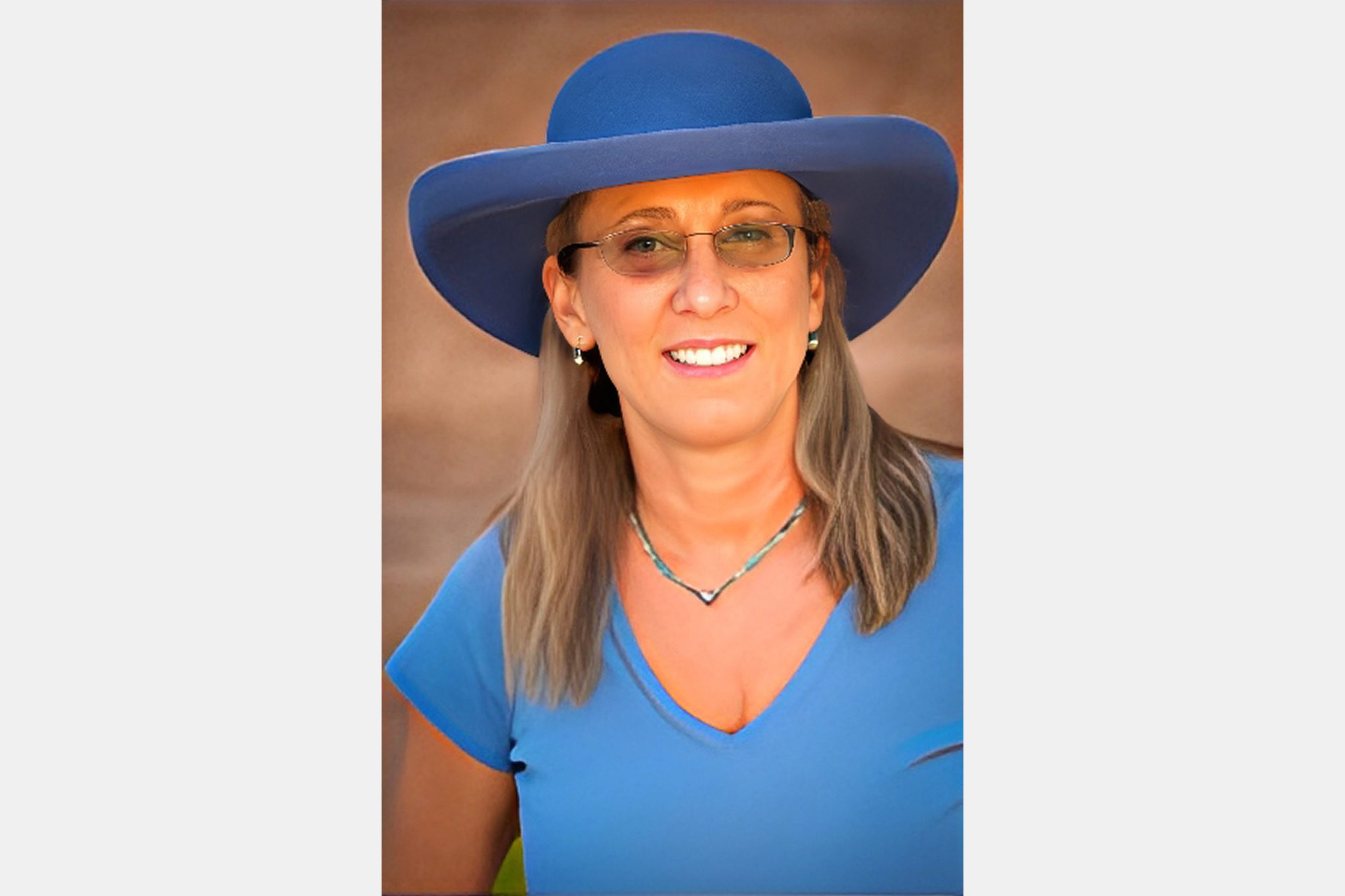
This year I turned seventy. I’ve never been shy about my age. Never one of those- it’s the 31st anniversary of my 39th birthday kind of people. I know too many wonderful people who died way too young to not appreciate the blessing of each year, each day!
So I was shocked when, a while ago I caught myself saying to someone, “He was around my age…an older person.” Then I stopped in mid-sentence. I am that older person.
One of our Temple Chai members wryly commented, “Well, no one will say that you died young.” Even though, from my perspective, 70 is WAY too young to die.”
I’ve heard it said that we have two lives. The second begins when we realize that we only have one. That is a profound realization!
The rabbis reflected on the ages and stages of life centuries ago. In Pirkei Avot (5:21) they offered this perspective:
• At five, Torah
• At ten, Mishnah.
• At thirteen, mitzvot.
• At eighteen, marriage.
• At twenty, livelihood.
• At forty, understanding.
• At fifty, giving counsel.
• At sixty, elderliness.
• At seventy, l’seivah—ripe old age.
So, according to the rabbis, I am now a full decade past being elderly! I am no longer simply old- I’m ripe! The Hebrew word seivah literally refers to gray hair, but in the Torah gray hair is never merely about chronology. It symbolizes experience transformed into wisdom.
We read in the Torah, “You shall rise before the aged and honor the face of the elder.” (Leviticus 19:32)
Wouldn’t it be wonderful if our culture thought that way? Just the opposite seems to be true- we live in a culture that worships youth, and we spend a lifetime trying to hold onto it.
As I reflect on turning seventy, I don’t claim to have become wise. Anyone who knows me knows I still make mistakes every day. But I do think the years have taught me a few things.
The first lesson is this: You cannot do everything. Life is full of hard choices. You can’t save the world. Therefore, you need to think about what your top priorities are and focus your energy there.
The older I become, the more I realize that success isn’t about doing everything. It is about doing the right things.
If you know Frank Blake, you have undoubtedly heard him say, “Every day is a bonus day.” Not a guaranteed day. A bonus day. None of us was promised today. Today is a gift. That’s why we pray the words each morning, “Modeh ani- I am grateful to have my soul restored to me.”
And there’s our senior rabbi’s favorite verse, “Teach us to number our days, that we may gain a heart of wisdom.” (Psalm 90:12) We don’t simply ask for more days, but days devoted to learning. When a congregant asked me for the meaning of life, I simply replied, “The meaning of life is that it ends.”
On Yom Kippur, as we contemplate our own mortality, we are reminded of the preciousness of life. “Who in their time, who before their time.” We reflect deeply on how we have used the gift of 5786, and where we want to devote ourselves in 5787. Perhaps not what else can I accomplish, but, rather, who can I help in the year ahead?
We remind ourselves to stop postponing important conversations, to stop assuming there will always be another opportunity. As we join together at this sacred moment, we commit ourselves to make that phone call, to express gratitude, to offer forgiveness.
Because today is a bonus day.
The second lesson the years have taught me is one our tradition has always known. Judge people more kindly. Again, quoting Pirke Avot, (1:6) “Judge every person favorably- literally in the scale of merit.” Give people the benefit of the doubt. My college roommate Janet, aleha ha-shalom, once said something so simple and so profound that I have never forgotten it. “When you love someone, you’ll forgive almost anything. When you don’t like someone, the way they hold a fork will drive you crazy.”
Ain’t that the truth!
Most of our conflicts begin somewhere deeper. They are not about the fork.
By the time you’ve lived seventy years, you’ve learned something else. Almost everyone you meet is carrying a burden you cannot see. Someone is caring for a spouse with dementia. Someone is terrified about their child. Someone just received difficult medical news. Someone is grieving quietly while smiling publicly. We rarely know the whole story.
That realization has made me slower to judge and quicker to extend grace. A little more kind. A little more patient. I aspire to choose compassion before criticism.
Our High Holy Day prayers contain a line that has always touched me more deeply with each passing year. “Al tashlicheinu l’et ziknah…” “Do not cast us away in old age.”
When I was thirty, I heard those words as a prayer for someday. At seventy, I hear them differently. I still mean something. I still have something to give.
Aging is not simply an individual experience. It is a communal responsibility. We ask God not to abandon us. Perhaps we should ask ourselves whether we ever abandon one another?
One of the greatest fears of aging is not dying. It is becoming invisible, being alone. This prayer reminds us that every human being longs to know they still matter. That they are still needed. That someone notices when they are absent. That someone is waiting for them.
Over the past twenty years at Temple Chai I have become convinced of something. What truly impacts our lives are relationships. Knowing someone will call when you’re in the hospital. Knowing someone will celebrate your joys and mourn your losses. Knowing that when life falls apart, you won’t have to carry it alone.
One of the greatest blessings of my own life has been growing older in community. None of us should try to age alone. None of us should have to.
The third lesson seventy years has taught me is this: Let it go. If I could speak to my thirty-year-old self, I would tell myself to worry less. To stop replaying conversations. To stop imagining worst-case scenarios. To stop asking “What if?” My beloved sister-in-law Fran, who I lost way too early in life, used to remind me not to worry about things that may never even happen.
And regrets. We all have them. Words we wish we hadn’t spoken. Opportunities we didn’t pursue. Relationships we neglected. Mistakes we made. We can learn from these regrets.
And then- we need to let it go.
I have officiated at more funerals than I can count. Preparing a eulogy is one of the holiest responsibilities a rabbi has. It is wonderfully touching and often therapeutic to sit with a family as they recall the story of a life well lived. The small stories that, together, create a life. The values that shaped the individual. The things they laughed about; the things they cried about. The people they loved. If that’s what people will remember, why don’t we spend more time cultivating those qualities while we’re still alive?
I don’t think I’ve ever written a eulogy that included the disappointments. Even though we all have them.
I think about the prophet Elijah, and how he ultimately discerned the presence of God not in the wind or the earthquake or the fire, but, rather, in the still small voice. (I Kings 19:11-13)
When I was younger, I don’t think I could hear that voice very well. Life was simply too loud.
Now I find myself listening differently. The still, small voice asks different questions. Have I said ‘I love you’ often enough? Have I let go of anger? Have I expressed gratitude for the many blessings I have received?
Seventy may not feel old, but my body reminds me that aging is real. So I will take this opportunity to remind all of us that these bodies are the only ones we have in this lifetime. So thinking about nutrition, exercise, and sleep is fundamental to our future well-being.
The Bible describes Abraham and David as dying b’seivah tovah—”in a good old age.” Not merely an old age. A good old age. The Hebrew word seivah is beautiful. It means gray hair. But it also suggests a life filled with experience. A life deepened by gratitude. A life that has become sweeter rather than more bitter.
We read in Psalm 92, the psalm for Shabbat, “Even in old age they shall bring forth fruit, they shall remain fresh and flourishing.” (Psalm 92:16) Not simply surviving. Bearing fruit. Still contributing. Still blessing. Still teaching. Still loving. Flourishing.
That is how our tradition depicts growing older. Not decline. Purpose. So why am I sharing all of this with you? Not because I imagine that turning seventy has made me wiser than everyone else. Far from it.
I’m sharing it because birthdays invite reflection, and perhaps my reflection can become an invitation for yours. If you are under seventy, don’t wait. Don’t wait to tell people you love them. Don’t wait to become involved in a community. Don’t wait to forgive. Don’t wait to volunteer. Don’t wait to travel. Don’t wait to become the person you hope one day to be.
Whatever age you are, you matter. You are valuable and appreciated and there are folks who depend on you.
Frank Blake is right. Today is a bonus day. Use it. And if you are over seventy—or approaching it—remember this: Our tradition never suggests that your most important years are behind you. Quite the opposite. You have something the younger generation desperately needs. Perspective. Patience. Stories. Encouragement. Blessing. Hope.
The world does not simply need more young people. It needs more elders. Not merely older people. Elders. People whose lives have taught them what matters most.
So, what have seventy years taught me? Not everything. Just enough to know this: Love people more than stuff. Choose community over isolation. Judge with kindness. Forgive and let it go. Listen for the still, small voice. Spend your bonus days wisely. And remember that while none of us can do everything, every one of us can do something that makes another person’s life better.
If, in the years God still grants me, I can become a little kinder, a little more patient, a little more grateful, and a little more generous than I was yesterday, then I will consider growing older to be one of life’s greatest blessings.
May all of us, whatever our age, be blessed to grow not only older, but wiser. May we continue to bear fruit. May we continue to be a blessing. May we be blessed to reach seivah tovah, a good old age.